
Views: 522 Author: Site Editor Publish Time: 2025-10-30 Origin: Site


Selecting the appropriate aluminum paste represents a critical decision that significantly impacts both the performance and environmental footprint of industrial coatings and products. As manufacturers increasingly prioritize sustainability alongside quality, understanding the distinctions between water-based and solvent-based aluminum pastes becomes essential for making informed material selections.
Water-Based Aluminum Paste
These formulations utilize water as the primary dispersion medium, with aluminum flakes typically comprising 60-75% of the composition by weight. The remaining components include water, minimal co-solvents (5-15%), and additive packages (2-8%) that enhance stability and performance. The aqueous base creates a system where evaporation occurs primarily through water removal, significantly reducing volatile organic compound (VOC) emissions.
Solvent-Based Aluminum Paste
Traditional solvent-based systems employ organic compounds such as mineral spirits, esters, or ketones as carrier fluids. The aluminum content generally ranges from 65-80%, with solvents making up 15-30% of the formulation. These systems typically contain higher VOC levels but offer distinct advantages in specific application scenarios where water sensitivity presents challenges.
Application Characteristics
Water-based pastes demonstrate excellent flow and leveling properties in most industrial spraying systems. They typically require slightly longer flash-off times (2-4 minutes) before curing but provide superior film formation in controlled environments. The lower viscosity stability allows for easier handling and reduced solvent consumption during cleanup.
Solvent-based alternatives offer rapid initial drying (30-90 seconds) and exceptional wetting on non-porous substrates. Their lower surface tension enables better penetration on complex geometries and minimally prepared surfaces. The quicker evaporation rate facilitates faster processing in high-volume production settings.
Final Film Properties
Both paste types achieve comparable metallic brilliance and reflectivity when properly formulated and applied. Water-based systems typically produce films with slightly higher flexibility and impact resistance, measuring 120-160 inch-pounds in standardized testing. Solvent-based films generally demonstrate superior hardness (H-2H pencil hardness) and chemical resistance, particularly against acids and industrial cleaners.
Durability and Weatherability
Accelerated weathering tests reveal distinct performance profiles. Water-based formulations show excellent resistance to UV degradation with gloss retention exceeding 85% after 2,000 hours of QUV exposure. Solvent-based systems demonstrate superior moisture barrier properties, with water vapor transmission rates 15-30% lower than their water-based counterparts.
The environmental impact distinction represents perhaps the most significant differentiating factor. Water-based aluminum pastes typically contain VOC levels below 100 g/L, complying with stringent international regulations including the European Union's Decopaint Directive and California's CARB standards. These formulations align with sustainability initiatives through reduced emissions and easier cleanup with water.
Solvent-based options generally contain 300-600 g/L of VOCs, requiring specialized handling and emission control systems. Their use necessitates compliance with complex environmental regulations and often involves higher insurance costs due to flammability concerns. However, they remain indispensable for applications requiring maximum performance in challenging conditions.
Automotive and Transportation
Water-based pastes are increasingly preferred for interior components and exterior basecoats where regulatory compliance and worker safety are prioritized. Their lower odor and reduced flammability make them ideal for assembly line environments. Solvent-based systems maintain dominance in specialty applications requiring extreme durability, such as motorcycle wheels and commercial vehicle components.
Archural and Industrial Coatings
For architectural applications, water-based technologies provide excellent performance on building facades and structural elements while meeting green building standards. In industrial settings requiring chemical resistance, solvent-based pastes offer superior protection for factory equipment, chemical processing units, and marine applications.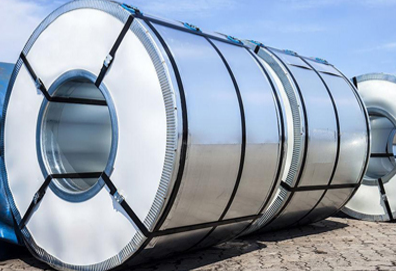
Consumer Products and Packaging
Water-based formulations dominate food packaging, toys, and electronics housings where odor and toxicity concerns are paramount. Solvent-based systems remain relevant for premium cosmetic packaging and luxury goods where maximum visual impact and resistance to alcohols and perfumes are required.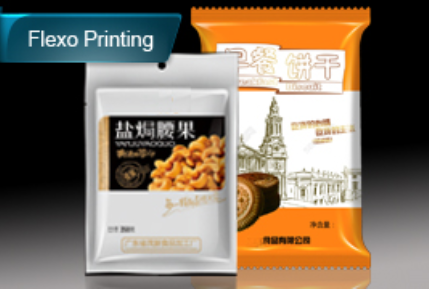
Choose Water-Based Aluminum Paste When:
Regulatory compliance mandates low VOC emissions
Operator safety and workplace air quality are prioritized
Application equipment cleanup requires water-based solutions
Substrates include water-sensitive materials
Sustainability certifications influence material selection
Opt for Solvent-Based Aluminum Paste When:
Maximum chemical resistance is required
Application conditions include high humidity or low temperatures
Substrates demonstrate poor water tolerance
Rapid drying and processing speeds are critical
Legacy production systems cannot accommodate water-based technologies
The ongoing evolution of both technologies continues to narrow the performance gap. Advanced water-based formulations now incorporate reactive silanes and nano-scale additives that enhance chemical resistance approaching solvent-based performance. Simultaneously, solvent-based systems are evolving toward higher solids content and compliant solvents that reduce environmental impact while maintaining application benefits.
Hybrid technologies combining the best attributes of both systems are emerging, particularly in high-performance industrial segments. These innovative approaches include water-based pastes with solvent additives for improved substrate wetting and solvent-based systems with water-compatible resins for easier cleanup.
The decision between water-based and solvent-based aluminum paste ultimately depends on a balanced consideration of performance requirements, regulatory constraints, and sustainability goals. By carefully evaluating application parameters, environmental conditions, and end-use performance expectations, manufacturers can select the optimal technology for their specific needs while positioning their products for future market demands.