
Views: 0 Author: Site Editor Publish Time: 2025-11-03 Origin: Site


The marine industry faces one of the most challenging environments for material protection, with constant exposure to saltwater, humidity, and UV radiation. Standard non-leafing aluminum paste has emerged as a crucial component in marine coatings, offering exceptional corrosion protection while maintaining aesthetic appeal and cost-effectiveness for vessel owners and shipyards worldwide.
Marine vessels operate in what corrosion scientists describe as "Category C5-M" environments - the most severe classification for corrosion activity. The combination of salt spray, temperature fluctuations, and mechanical stress creates perfect conditions for accelerated material degradation. Traditional coating systems often struggle to provide long-term protection under these conditions, leading to increased maintenance costs and reduced vessel lifespan.
Standard non-leafing aluminum paste addresses these challenges through its unique properties. The homogeneous distribution of aluminum flakes within the coating creates a multi-directional barrier that significantly extends the diffusion path for corrosive elements. Testing shows that properly formulated marine coatings containing non-leafing aluminum paste can reduce corrosion rates by up to 70% compared to conventional coating systems.
The effectiveness of non-leafing aluminum paste in marine environments stems from its sophisticated protection mechanism. The randomly oriented flakes create what marine engineers call a "labyrinth effect" within the coating matrix. This extended path dramatically slows the penetration of chloride ions and oxygen - the primary drivers of marine corrosion.
Research demonstrates that marine coatings incorporating 15-25% non-leafing aluminum paste by weight show chloride ion permeability reductions of 60-80% compared to non-pigmented systems. The aluminum flakes also provide enhanced UV reflection, reducing photo-degradation of the polymer matrix and extending the coating's service life in tropical and subtropical marine environments.
Hull Protection Systems
Below the waterline, non-leafing aluminum paste contributes to antifouling coating systems by creating a smooth, durable surface that resists marine growth adhesion. The consistent barrier properties help maintain biocide release rates while providing additional protection against pitting corrosion in welded areas and structural components.
Superstructure and Deck Equipment
The balanced brightness and whiteness characteristics of standard non-leafing aluminum paste make it ideal for above-deck applications. The satin finish reduces glare while providing excellent resistance to salt spray, diesel exhaust, and chemical exposure from cleaning agents and cargo operations.
Ballast Tank Protection
In ballast tanks - considered the most corrosive marine environment - coatings containing non-leafing aluminum paste demonstrate exceptional performance. The three-dimensional flake distribution creates a robust barrier against constant water immersion and atmospheric variation during ballast cycles.
Independent marine testing facilities have documented the superior performance of non-leafing aluminum paste coatings. Salt spray testing exceeding 5,000 hours shows minimal corrosion development, while cyclic corrosion testing simulating 10 years of marine exposure demonstrates maintained protective properties.
Real-world performance data from vessel operators confirms these laboratory findings. Commercial shipping companies report extended dry-docking intervals from traditional 2-3 years to 4-5 years when using coatings based on non-leafing aluminum paste technology. The reduction in maintenance downtime represents significant operational cost savings while maintaining vessel integrity.
The economic benefits of standard non-leafing aluminum paste in marine applications extend beyond initial cost considerations. The balanced cost structure of these pigments allows shipyards and vessel operators to achieve premium protection levels without the expense associated with specialized coating systems.
Lifecycle cost analysis demonstrates that marine coatings incorporating non-leafing aluminum paste can reduce total ownership costs by 30-40% over a vessel's 25-year service life. The extended maintenance intervals, reduced repair frequency, and decreased fuel consumption due to maintained hull smoothness contribute to this significant economic advantage.
Modern marine coatings must comply with increasingly stringent environmental regulations, including the International Maritime Organization's guidelines on volatile organic compounds (VOCs). Standard non-leafing aluminum paste demonstrates excellent compatibility with low-VOC and water-based coating systems, helping vessel operators meet regulatory requirements while maintaining protection standards.
The extended service life of coatings containing non-leafing aluminum paste also supports sustainability goals by reducing the frequency of coating replacement and associated waste generation. The material's compatibility with modern application techniques minimizes overspray and reduces environmental impact during vessel construction and maintenance.
Successful implementation of non-leafing aluminum paste in marine coatings requires attention to specific application parameters:
Surface Preparation
Marine-grade application demands thorough surface preparation to SA 2.5 standards, with anchor pattern profiles optimized for the specific coating system. Proper surface cleanliness ensures optimal adhesion and barrier performance.
Mixing and Application
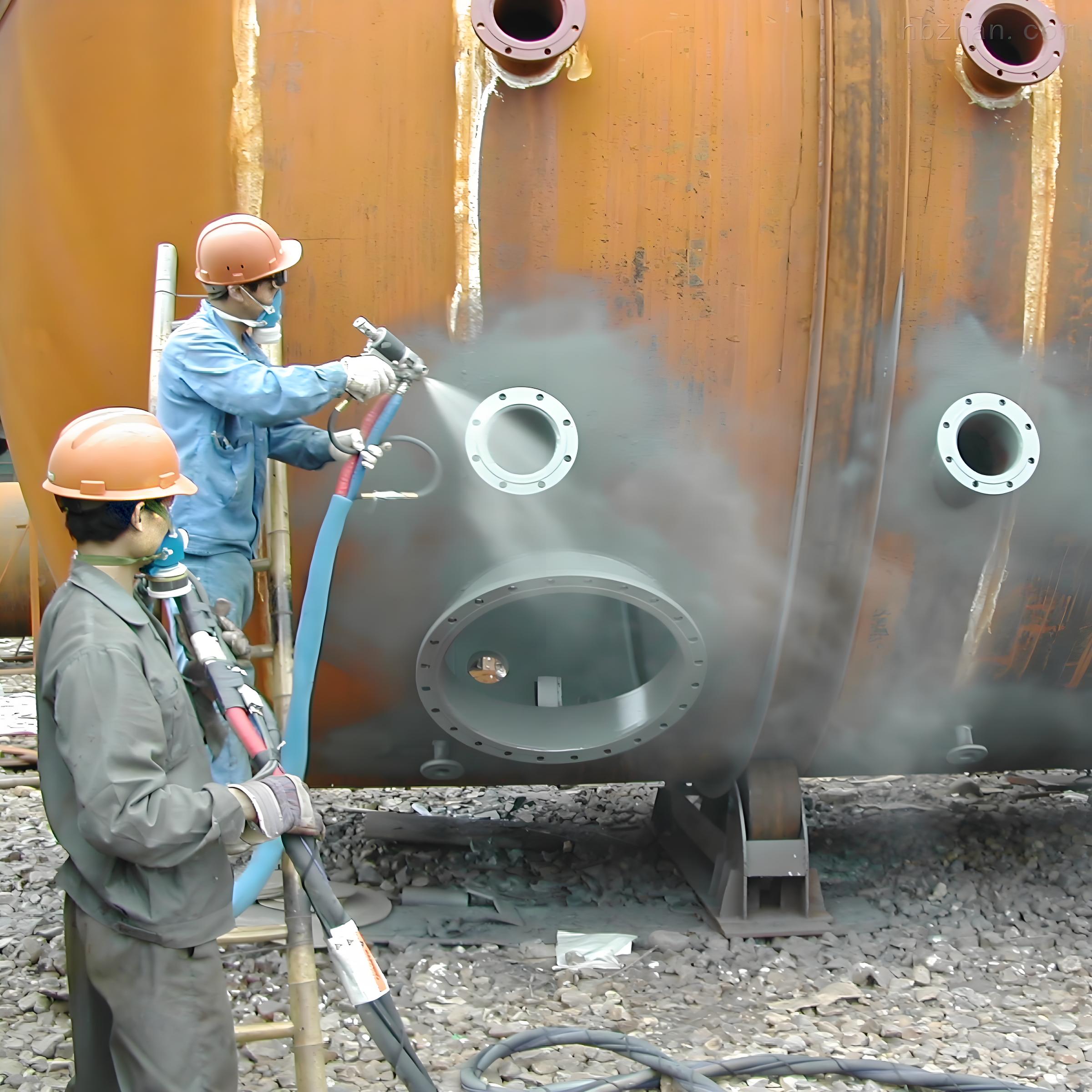
Standard non-leafing aluminum paste requires moderate shear mixing for 25-35 minutes to achieve optimal dispersion without damaging flake structure. Application using airless spray systems at appropriate pressures ensures uniform flake distribution and orientation.
Film Thickness Optimization
Marine applications typically require dry film thicknesses of 150-250 microns per coat, with total system thickness of 300-500 microns depending on the vessel area and exposure conditions.
The evolution of non-leafing aluminum paste technology continues to address emerging challenges in marine protection. Current research focuses on enhanced compatibility with novel resin systems, improved performance in polar waters, and development of smart coating technologies that can indicate coating integrity while maintaining protection.
Advanced surface modification techniques are enabling better performance in water-based systems, while nanoparticle integration promises even greater barrier properties for next-generation marine coatings. These developments will further extend vessel service life while reducing environmental impact and operational costs.